What No One Tells You About Growing Up With a Mentally Ill Parent
What I Gained, Not Just What I Lost
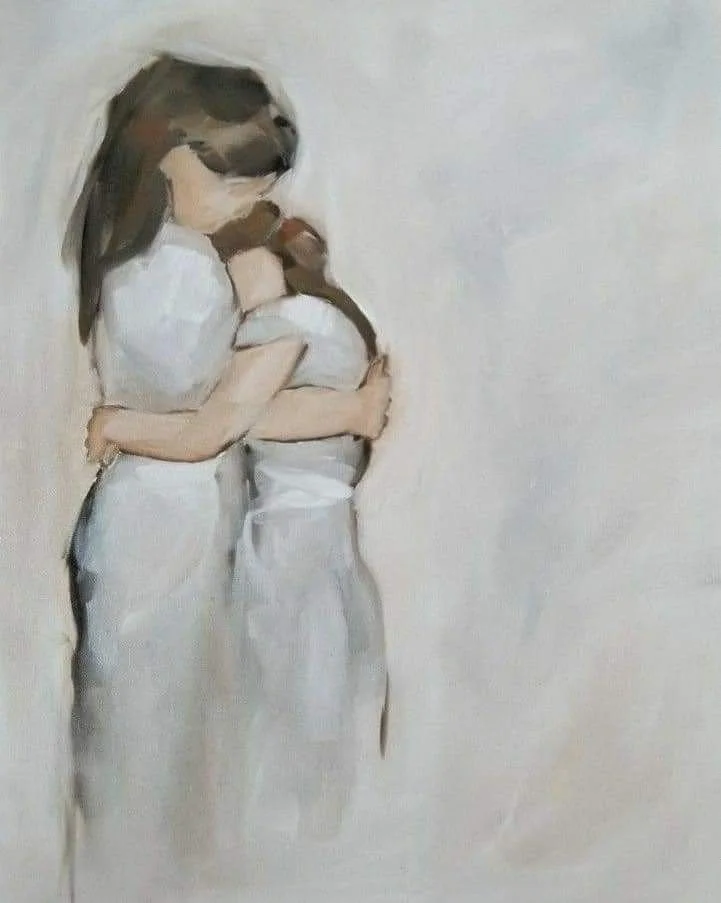
Growing up with a parent who has a severe mental illness can be incredibly challenging. What often saddens me, though, is that much of the content and many of the perspectives I see about this experience focus only on the negatives, or centre on cutting the parent out entirely and the damage it has caused.
I can empathise with those experiences, and I feel genuine compassion for people whose lives have been shaped in that way. But that hasn’t been my full experience.
While growing up with an unwell parent has been difficult and has impacted me in real and lasting ways, I also want to share a more balanced perspective, one that doesn’t deny the hardship but allows room for complexity, meaning, and even growth.
For me, this experience has shaped who I am in positive ways as well. It has made me more sensitive and empathetic, more inclined to understand others, to give people chances, and to see the beauty and humanity in all kinds of people. Despite the challenges and heartbreak that can come with it, I also have a deeply meaningful and beautiful relationship with my parent.
The Realities People Don’t Always See
I don’t want to brush over the challenges, because they are very real and very present. One of the hardest parts for me has always been the unpredictability. Life was, and still is, uncertain. There can be a new crisis at any moment, and you never quite know what to expect. There is also the constant awareness that this illness can be life-threatening.
Growing up in that environment can leave you feeling unsteady. It can make it harder to navigate the world, create an ongoing sense of pressure, and affect how safe or secure life feels. I think this is very difficult for others to fully understand unless they’ve experienced mental illness themselves or lived closely alongside someone who has.
Recently, someone said to me, “Well, it’s been going on a long time, so this isn’t really anything new for you.” But that misunderstands the reality. This isn’t something that happens once and then settles. It’s ongoing stress over a long period of time.
Making Meaning Without Minimising Pain
That said, I believe that experiences, even painful ones, can shape us in meaningful ways. The relationships we have with our parents are among the most formative in our lives, and I’ve reached a place of acceptance around the reality of who mine are.
When challenges arise, I’ve realised they have helped me learn a lot about life and grow.
Growing up in an unstable environment is undeniably hard. But I can also see how it has made me try to be less judgemental of others who are struggling, who find life unpredictable, or who are carrying unseen burdens. Even when I don’t immediately understand someone’s behaviour, I tend to reflect and ask why.
I find uncertainty particularly difficult because of my upbringing. But in a strange way, that has become a gift. It means I’ve had to learn how to create stability for myself by showing up for myself, keeping promises to myself, building habits, and prioritising self-care. That has taught me responsibility, self-trust, and resilience in ways I might not have learned otherwise.
A Relationship That Is Different and Still Beautiful
My relationship with my parent is genuinely a beautiful one, and I wouldn’t want anyone to think it’s any less meaningful than another parent–child relationship. It is different and, in some ways, it’s harder, though I know everyone has their own challenges and comparisons don’t really help.
Our relationship is filled with care and concern, but that isn’t a negative thing to me. I’m grateful that I have someone to care about. Perhaps if my parent hadn’t been so ill, we wouldn’t be as close as we are now. I’m glad that I get to be there for them.
We also laugh. We joke. There is a lot of love between us, even if that love isn’t always expressed in the way a parent might traditionally show it.
When I can’t see them, I send cards, and they have over twenty of them displayed on their wall. Knowing that they bring them comfort makes me feel deeply loved in return.
Challenging the Idea of “Less Than”
Something I really struggle with is the idea, often reinforced by society, that someone with severe mental illness is somehow less than, or simply someone to be pitied. Empathy is essential, of course, but pity strips people of their dignity. People with mental illness are not less human, less valuable, or less worthy.
My parent is one of the kindest people I know. They are always thinking of others. When they were in hospital and there was a smoothie-making activity, they didn’t make one for themselves; they made smoothies for the entire medical team. That’s who they are.
I’m not saying every person with mental illness is the same, but there is often a deep sensitivity there, alongside the illness, not erased by it. The illness is part of their experience, but it is not the sum of who they are.
There is also a strong creative side to my parent. They are highly artistic and expressive, not only through creative activities but in the way they communicate and see the world differently. I am in awe of them.
While they haven’t been able to have a conventional career or live the kind of life many people expect, and, in many ways, have been robbed of those opportunities, they are still an incredibly talented, special, and meaningful person.
Their life has value. Their humanity has value. They are not less than anyone else.
What This Experience Gave Me
This upbringing has shaped the way I see other people. It’s made me want to look for the good in others. I sometimes think that if my parent hadn’t been ill, I might have been more self-absorbed, more protected, or less aware of other people’s pain.
Instead, I feel a strong pull to understand those who are suffering. I don’t instinctively judge someone if they’re homeless, struggling with addiction, living with mental illness, or carrying visible struggles. I’m curious about their story rather than dismissive of it.
That commitment to empathy feels like a real gift, one I’m deeply grateful for and wouldn’t want to lose.
Seeing Humanity Up Close
I’m also aware that this life has allowed me to see a side of the world that not everyone gets to see. I’ve spent a lot of time in mental health wards, not only visiting my parent but learning how to communicate with medical staff. That’s a skill I wouldn’t have developed otherwise.
I’ve also interacted with other patients, and that experience has reinforced my belief in human goodness. Mental health wards are often imagined as frightening places, but in my experience, they haven’t been. Strangely enough, they’re some of the places where I’ve felt happiest.
They can be deeply supportive environments. Nurses genuinely care. Patients often care for one another. I’ve seen people brushing each other’s hair. I’ve had patients come up to me, hug me, and interact with me in the most gentle, human ways.
Those moments have stayed with me. They’ve shown me that even in the midst of suffering, people can offer extraordinary care to one another.
That truth exists alongside the difficulty, not instead of it.
Growing Up With a Parent Who Has a Severe Mental Illness
Growing up with a parent who has a severe mental illness can be incredibly challenging. What often saddens me, though, is that much of the content and many of the perspectives I see about this experience focus only on the negatives, or centre on cutting the parent out entirely and the damage it has caused.
I can empathise with those experiences, and I feel genuine compassion for people whose lives have been shaped in that way. But that hasn’t been my full experience.
While growing up with an unwell parent has been difficult and has impacted me in real and lasting ways, I also want to share a more balanced perspective, one that doesn’t deny the hardship but allows room for complexity, meaning, and even growth.
For me, this experience has shaped who I am in positive ways as well. It has made me more sensitive and empathetic, more inclined to understand others, to give people chances, and to see the beauty and humanity in all kinds of people. Despite the challenges and heartbreak that can come with it, I also have a deeply meaningful and beautiful relationship with my parent.
The Realities People Don’t Always See
I don’t want to brush over the challenges, because they are very real and very present. One of the hardest parts for me has always been the unpredictability. Life was, and still is, uncertain. There can be a new crisis at any moment, and you never quite know what to expect. There is also the constant awareness that this illness can be life-threatening.
Growing up in that environment can leave you feeling unsteady. It can make it harder to navigate the world, create an ongoing sense of pressure, and affect how safe or secure life feels. I think this is very difficult for others to fully understand unless they’ve experienced mental illness themselves or lived closely alongside someone who has.
Recently, someone said to me, “Well, it’s been going on a long time, so this isn’t really anything new for you.” But that misunderstands the reality. This isn’t something that happens once and then settles. It’s ongoing stress over a long period of time.
Making Meaning Without Minimising Pain
That said, I believe that experiences, even painful ones, can shape us in meaningful ways. The relationships we have with our parents are among the most formative in our lives, and I’ve reached a place of acceptance around the reality of who mine are.
When challenges arise, I’ve realised they have helped me learn a lot about life and grow.
Growing up in an unstable environment is undeniably hard. But I can also see how it has made me try to be less judgemental of others who are struggling, who find life unpredictable, or who are carrying unseen burdens. Even when I don’t immediately understand someone’s behaviour, I tend to reflect and ask why.
I find uncertainty particularly difficult because of my upbringing. But in a strange way, that has become a gift. It means I’ve had to learn how to create stability for myself by showing up for myself, keeping promises to myself, building habits, and prioritising self-care. That has taught me responsibility, self-trust, and resilience in ways I might not have learned otherwise.
A Relationship That Is Different and Still Beautiful
My relationship with my parent is genuinely a beautiful one, and I wouldn’t want anyone to think it’s any less meaningful than another parent–child relationship. It is different and, in some ways, it’s harder, though I know everyone has their own challenges and comparisons don’t really help.
Our relationship is filled with care and concern, but that isn’t a negative thing to me. I’m grateful that I have someone to care about. Perhaps if my parent hadn’t been so ill, we wouldn’t be as close as we are now. I’m glad that I get to be there for them.
We also laugh. We joke. There is a lot of love between us, even if that love isn’t always expressed in the way a parent might traditionally show it.
When I can’t see them, I send cards, and they have over twenty of them displayed on their wall. Knowing that they bring them comfort makes me feel deeply loved in return.
Challenging the Idea of “Less Than”
Something I really struggle with is the idea, often reinforced by society, that someone with severe mental illness is somehow less than, or simply someone to be pitied. Empathy is essential, of course, but pity strips people of their dignity. People with mental illness are not less human, less valuable, or less worthy.
My parent is one of the kindest people I know. They are always thinking of others. When they were in hospital and there was a smoothie-making activity, they didn’t make one for themselves; they made smoothies for the entire medical team. That’s who they are.
I’m not saying every person with mental illness is the same, but there is often a deep sensitivity there, alongside the illness, not erased by it. The illness is part of their experience, but it is not the sum of who they are.
There is also a strong creative side to my parent. They are highly artistic and expressive, not only through creative activities but in the way they communicate and see the world differently. I am in awe of them.
While they haven’t been able to have a conventional career or live the kind of life many people expect and, in many ways, have been robbed of those opportunities, they are still an incredibly talented, special, and meaningful person.
Their life has value. Their humanity has value. They are not less than anyone else.
What This Experience Gave Me
This upbringing has shaped the way I see other people. It’s made me want to look for the good in others. I sometimes think that if my parent hadn’t been ill, I might have been more self-absorbed, more protected, or less aware of other people’s pain.
Instead, I feel a strong pull to understand those who are suffering. I don’t instinctively judge someone if they’re homeless, struggling with addiction, living with mental illness, or carrying visible struggles. I’m curious about their story rather than dismissive of it.
That commitment to empathy feels like a real gift, one I’m deeply grateful for and wouldn’t want to lose.
Seeing Humanity Up Close
I’m also aware that this life has allowed me to see a side of the world that not everyone gets to see. I’ve spent a lot of time in mental health wards, not only visiting my parent but learning how to communicate with medical staff. That’s a skill I wouldn’t have developed otherwise.
I’ve also interacted with other patients, and that experience has reinforced my belief in human goodness. Mental health wards are often imagined as frightening places, but in my experience, they haven’t been. Strangely enough, they’re some of the places where I’ve felt happiest.
They can be deeply supportive environments. Nurses genuinely care. Patients often care for one another. I’ve seen people brushing each other’s hair. I’ve had patients come up to me, hug me, and interact with me in the most gentle, human ways.
Those moments have stayed with me. They’ve shown me that even in the midst of suffering, people can offer extraordinary care to one another.
That truth exists alongside the difficulty, not instead of it.
